
Patient Care Coordination and Education
ccmapractice study guide with diagrams.
Patient Care Coordination and Education
Learning Objectives
By the end of this chapter, you will be able to:
1.1 The Medical Assistant as a Patient Navigator
The Certified Clinical Medical Assistant (CCMA) serves as a critical link between the patient and the healthcare system. In the ambulatory care setting, you are often the first and last person the patient sees. Your role in patient care coordination is not merely administrative; it is a clinical function that directly impacts patient safety, adherence to treatment plans, and overall health outcomes.
Patient-centered care is the practice of caring for patients and their families in ways that are meaningful and valuable to the individual patient. This approach requires you to move beyond a simple task list and consider the patient's social, emotional, and environmental context. The NHA CCMA exam tests your ability to apply this concept in real-world scenarios, such as a patient who cannot afford a prescribed medication or a patient who lacks transportation to a follow-up appointment.
Your primary responsibilities in care coordination include:
A key distinction on the exam: The medical assistant reinforces and clarifies provider instructions. You do not provide the initial diagnosis, prescribe treatment, or interpret laboratory results independently. If a patient asks you what a lab result means, you must defer to the provider.
1.2 Health Literacy and Patient Education
Health literacy is the degree to which an individual has the capacity to obtain, process, and understand basic health information and services needed to make appropriate health decisions. According to the CDC, nearly 9 out of 10 adults struggle with health literacy. This is a critical concept for the CCMA exam because low health literacy is directly linked to medication errors, missed appointments, and higher rates of hospitalization.
Assessing Health Literacy:
You cannot tell if a patient is literate by looking at them. You must assess their understanding using specific techniques:
The Teach-Back Method:
This is the gold standard for confirming patient understanding. After you provide education, ask the patient to explain the information back to you in their own words. For example:
If the patient cannot explain it correctly, re-teach the information using a different approach (e.g., simpler language, visual aids, or demonstration) and ask them to teach back again. This is not a test of the patient; it is a test of your teaching effectiveness.
Barriers to Learning:
You must identify and address barriers before education can be effective. Common barriers include:
1.3 Cultural Competence and Communication
Cultural competence is the ability to interact effectively with people of different cultures. It requires you to respect and value the patient's beliefs, values, and practices, even when they differ from your own. The exam tests your ability to recognize when a cultural practice impacts medical care and how to respond appropriately.
Key Principles:
Implicit Bias:
This refers to the attitudes or stereotypes that affect our understanding, actions, and decisions in an unconscious manner. As a medical assistant, you must actively work to ensure that your personal biases do not affect the quality of care you provide. This includes treating all patients with the same level of respect, regardless of race, ethnicity, gender identity, sexual orientation, or socioeconomic status.
1.4 Referrals and Prior Authorization
A referral is a formal request from a primary care provider (PCP) to a specialist or another healthcare provider to evaluate and treat a patient. The medical assistant is often responsible for the administrative coordination of this process.
Types of Referrals:
The Referral Process:
Prior Authorization (Pre-certification):
This is a utilization management process used by insurance companies to control costs. If the procedure is not authorized, the insurance company may deny payment, leaving the patient responsible for the full bill. The medical assistant must know which procedures require authorization for the specific insurance plans the practice deals with. You must also document the authorization number and the effective dates of the authorization.
1.5 Care Transitions and Follow-up
Care transitions refer to the movement of patients between healthcare settings (e.g., hospital to home, hospital to skilled nursing facility, or PCP to specialist). Poorly managed transitions are a leading cause of hospital readmissions and adverse drug events.
The Medical Assistant's Role in Transitions:
Telephone Triage vs. Telephone Support:
It is critical to understand your scope. You may schedule appointments, refill routine medications (with provider approval), and relay test results that the provider has reviewed. You cannot diagnose symptoms over the phone. If a patient calls with chest pain, shortness of breath, or severe bleeding, you must direct them to call 911 or go to the emergency department immediately. Do not attempt to triage or advise them on symptom management.
1.6 Patient Rights and HIPAA in Care Coordination
The HIPAA Privacy Rule establishes national standards to protect individuals' medical records and other personal health information (PHI). In the context of care coordination, you will frequently need to share PHI with other providers, insurance companies, and family members. You must know when this is permissible.
Minimum Necessary Standard:
When using or disclosing PHI, you must make reasonable efforts to limit the information to the minimum necessary to accomplish the intended purpose. For example, when faxing records to a specialist, you should only send the relevant chart notes, not the patient's entire lifetime history.
Communicating with Family Members:
HIPAA and the Patient Portal:
Many practices use patient portals for communication. You must instruct patients on how to use the portal, but you must also verify the patient's identity before providing portal access or resetting passwords. You must never share your own login credentials.
1.7 Community Resources and Social Determinants of Health
Social determinants of health (SDOH) are the conditions in which people are born, grow, live, work, and age. These factors (e.g., food insecurity, housing instability, lack of transportation) have a massive impact on health outcomes. The medical assistant is often the team member who identifies these barriers during the rooming process.
Screening:
You may be asked to administer a social needs screening questionnaire. If a patient screens positive for food insecurity, you should not ignore it. You should:
Patient Advocacy:
Advocacy means supporting or promoting the patient's interests. This could involve helping a patient apply for financial assistance for medications, connecting them with a case manager, or providing them with a list of sliding-scale clinics. The medical assistant acts as a patient advocate by ensuring the patient has the resources they need to follow the treatment plan.
Common Exam Traps
Students frequently miss questions on this topic due to subtle but critical errors. Here are the classic traps:
Trap 1: "The MA can interpret lab results for the patient."
Trap 2: "The MA should use a family member to interpret for a patient with limited English proficiency."
Trap 3: "If the patient nods and says 'yes, I understand,' the teaching is complete."
Trap 4: "Prior authorization is the same as a referral."
Trap 5: "The medical assistant can give medical advice over the phone."
Trap 6: "HIPAA prevents the MA from ever speaking to a patient's spouse."
Trap 7: "Patient education is only needed for new diagnoses."
Summary
Patient care coordination and education is a core competency for the CCMA. You must be able to navigate the healthcare system on behalf of the patient while respecting their privacy and cultural background. Remember the three pillars: Communicate clearly (using teach-back), Coordinate carefully (referrals and authorizations), and Document completely (every action in the patient's chart). By mastering these skills, you ensure patient safety and improve health outcomes, which is the ultimate goal of the medical assistant profession.
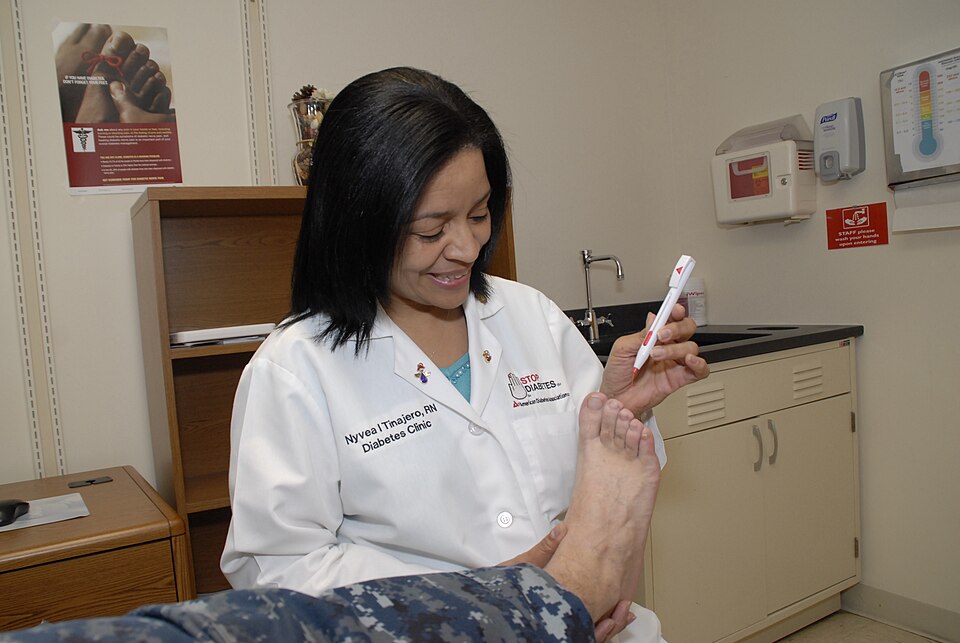
Patient education
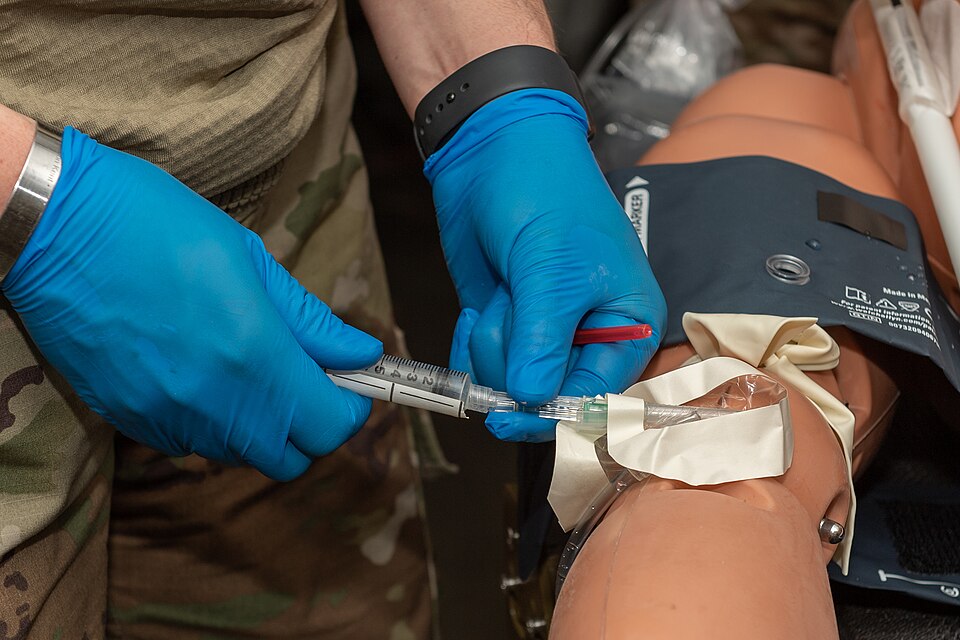
Medication administration
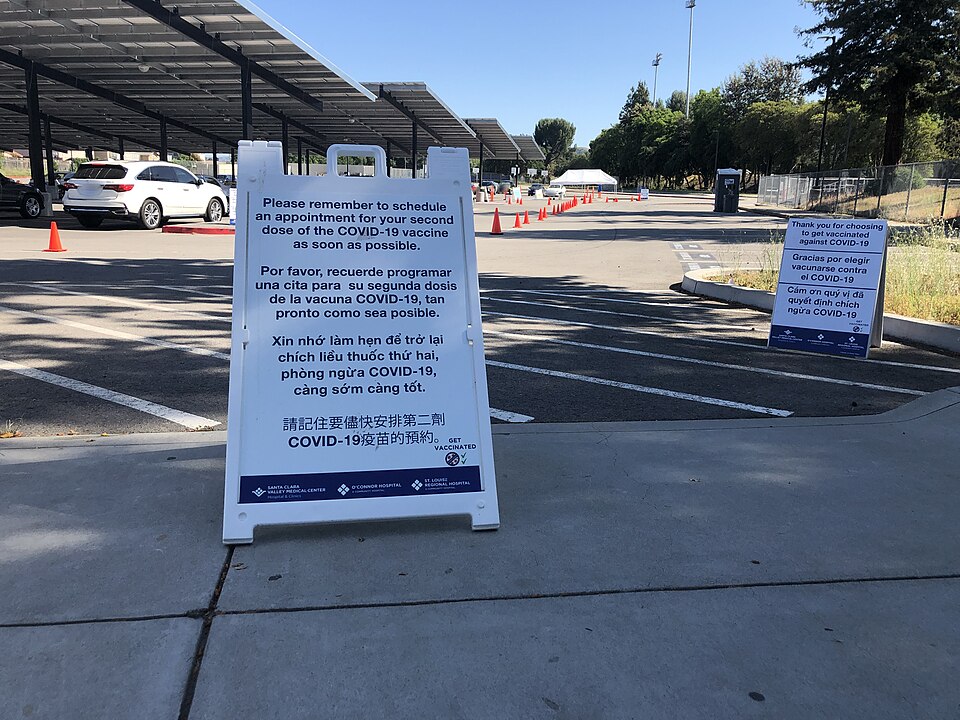
Appointment scheduling
Ready to test this chapter?
Practice with exam-aligned questions and timed simulations.
Start Practicing Free